The Vertical Village: How Luxury Apartments Are Transforming Urban Living
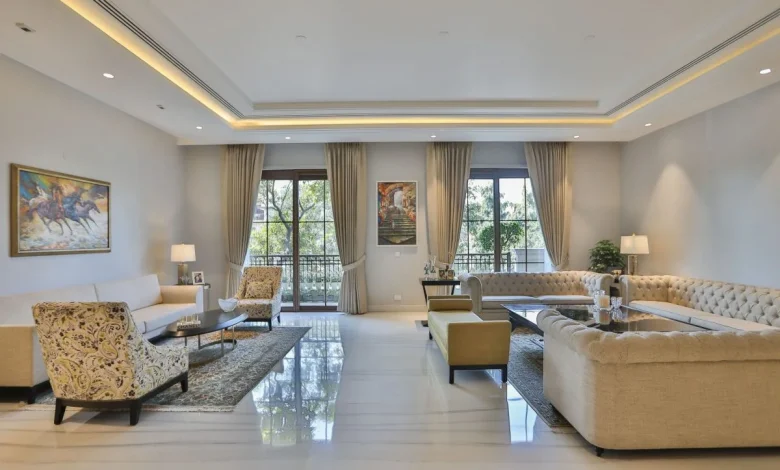
The face of the modern city is changing, and its silhouette is increasingly defined by towering, glass-clad residential buildings. These aren’t the simple apartment blocks of previous decades; they are luxury apartments—high-end, amenity-rich residences that are fundamentally redefining what it means to live in an urban environment. Once viewed merely as housing, these developments are now being designed and marketed as complete lifestyle ecosystems, transforming dense urban areas into integrated “vertical villages” where convenience, community, and curated experience are available right outside the apartment door.
This phenomenon is driven by a convergence of economic and demographic factors. A growing population of high-earning professionals, a desire for shorter commutes, and a cultural shift away from sprawling suburban homes towards walkability and immediate access to culture has all fueled the demand for upscale urban residences. Luxury apartments meet this demand by offering not just a place to sleep, but a highly serviced, secure, and technologically advanced way of life that is fundamentally changing the calculus of city dwelling.
The New Standard of Amenity: Beyond the Four Walls
The most striking feature of modern Dupont Circle luxury apartments is the sheer depth and quality of their shared amenities, which often resemble a five-star hotel or an exclusive private club. These features are designed to enhance the quality of life, reduce the need to leave the building for basic needs, and foster a sense of community among residents.
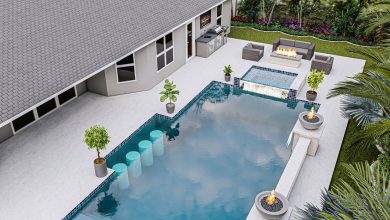
The current standard goes far beyond the traditional fitness center. Developments now routinely include rooftop infinity pools offering panoramic city views, co-working spaces and business centers equipped with high-speed fiber internet, and dedicated wellness areas featuring yoga studios, spin classes, and even cold plunge pools. Many buildings offer specialized services that cater to modern urban life, such as automated package retrieval systems, dedicated pet-care stations, and even in-house car-share services. These amenities transform the building from a simple collection of units into a holistic living environment, effectively bringing the convenience of the city to the resident’s doorstep, all managed by a dedicated, professional concierge staff.
Redefining Convenience: Services and Security
A core tenet of luxury urban living is unparalleled convenience and peace of mind. High-end developments are staffed by professional management teams and concierges who handle everything from dry cleaning pickup to scheduling maintenance. This level of service frees up the resident’s time, allowing them to focus on work, leisure, and family, which is a major draw for busy professionals.
Security is another area where luxury buildings set a new standard. Modern residences feature sophisticated, multi-layered security systems, including 24/7 video surveillance, keyless entry systems, biometric access controls, and uniformed lobby staff. This enhanced level of security is a powerful selling point in densely populated areas, providing residents with a crucial sense of safety and privacy in the busy urban context. The integration of high-speed smart home technology, from automated lighting and climate control to seamless property management apps, further reinforces the feeling of a controlled, highly customized living environment.
Transforming Neighborhood Dynamics
The impact of these luxury developments extends well beyond their property lines, often serving as powerful catalysts for the revitalization of surrounding urban neighborhoods. When a high-end residential tower is completed, it brings a concentrated population of high-income residents who create immediate demand for upscale retail, restaurants, and services.
This influx of spending power encourages the development of new cafes, boutique shops, and cultural venues, transforming previously underutilized areas into vibrant, desirable mixed-use districts. This process, while sometimes contributing to gentrification, undeniably increases the overall tax base, enhances local infrastructure, and creates a more dynamic street life. Luxury buildings act as anchors, drawing investment and creating a denser, more walkable, and ultimately more self-sufficient urban environment, aligning with the principles of smart, sustainable city growth.
Conclusion: The Premium on Time and Experience
The rise of the luxury apartment is more than a real estate trend; it is a declaration of new priorities in urban living. These properties are successfully marketing not just square footage, but a comprehensive lifestyle where time is the ultimate luxury. By centralizing high-end amenities, providing unparalleled service and security, embracing sustainable architecture, and integrating seamlessly with urban transit, luxury apartments are creating sophisticated vertical villages. They are meeting the demands of modern urbanites who seek to trade the burdens of property maintenance and long commutes for immediate access to comfort, convenience, and culture, fundamentally transforming the quality of life in the world’s great cities.