How to Decorate Your Apartment on a Budget
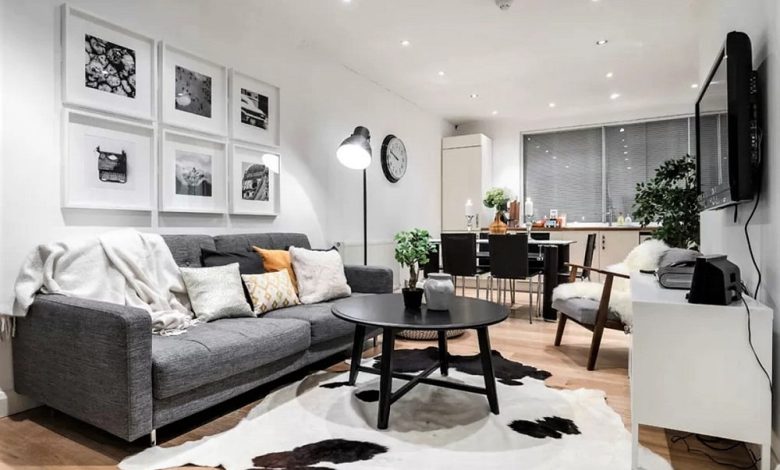
Moving into a new apartment brings a wave of excitement, but it often comes with a financial reality check. Between security deposits, moving truck rentals, and first month’s rent, your bank account can feel drained before you even unpack your first box. Looking at empty rooms can feel daunting when you want your home to look styled, curated, and personal, but your budget says otherwise.
Fortunately, creating a beautiful home does not require a massive bank account. Designing on a budget simply requires substituting financial capital with a bit of creativity, patience, and strategic planning. The secret to an expensive-looking apartment is focus. By understanding where to spend your money, where to save it, and how to utilize what you already own, you can transform a plain rental unit into a stunning, high-end living space.
Establish a Core Vision and Floor Plan First
Before you spend a single dollar on decor, you need a plan. Walking into a home goods store without a strategy is the fastest way to overspend on mismatched items that create visual clutter rather than cohesive style.
Define Your Aesthetic
Take time to gather inspiration from interior design sites, magazines, and digital mood boards. Look for common threads in the images you save. Are you drawn to clean lines and neutral tones, or do you prefer vibrant colors and textured fabrics? Narrowing your focus to one or two complementary styles prevents you from buying impulse pieces that do not fit together.
Measure Everything Accurately
In an apartment, every square inch matters. Measure the dimensions of your rooms, entryways, and windows before you shop. A massive sofa bought at a thrift store might be a great bargain, but if it blocks your hallway or crowds out your dining area, it is a waste of money. Knowing your exact spatial limitations keeps you grounded and prevents costly purchasing mistakes.
Master the Art of Secondhand Shopping
The retail markup on brand-new furniture and home decor is incredibly high. By shifting your focus toward the secondhand market, you can acquire high-quality, solid wood furniture for a fraction of retail department store prices.
Thrift Stores and Estate Sales
Thrift stores, consignment shops, and local estate sales are goldmines for unique decor. Look past outdated finishes or ugly fabrics to see the structural integrity of an item. A solid oak coffee table with a scratched surface can be sanded and restained over a weekend. Vintage brass candleholders, ceramic vases, and picture frames can be thoroughly cleaned or spray-painted to match your chosen color palette perfectly.
Online Marketplaces
Local online classifieds and social media marketplaces are excellent platforms for finding deals, especially from people who are moving and need to empty their apartments quickly.
-
Search Frequently: The best deals on online marketplaces disappear within hours. Check your favorite platforms once or twice a day.
-
Negotiate Respectfully: Most sellers list items with the expectation that buyers will negotiate. Offer a reasonable price slightly lower than the listing, but be prepared to pick up the item promptly.
-
Verify Quality: When buying secondhand furniture, test drawers, check for structural wobbles, and inspect upholstered items closely in a well-lit area before finalizing the transaction.
Prioritize High-Impact Focal Points
When funds are limited, you cannot afford to upgrade every single item at once. Instead, direct your budget toward the elements that occupy the most visual real estate in a room.
Invest in Key Anchors
There are a few pieces worth spending a bit more on because they anchor the entire room and get the most physical use. Your sofa, your mattress, and your main dining or work table are worth prioritizing. You can buy a premium, comfortable sofa and surround it with inexpensive accent chairs, a thrifted coffee table, and DIY art, and the entire room will still feel elevated.
Use Area Rugs to Define Zones
Apartment flooring is often generic, whether it is basic carpeting or faux-wood vinyl. A large, well-placed area rug instantly transforms a room. It adds color, texture, warmth, and sound insulation. Look for affordable natural fiber rugs, like jute or sisal, which offer a high-end, organic texture at a very low price point. Alternatively, look for flat-weave cotton rugs that can be tossed in the washing machine for easy maintenance.
Upgrade the Lighting
Standard apartment overhead lighting is often harsh, clinical, and unflattering. You can completely change the mood of your apartment by introducing layered lighting. Turn off the main ceiling fixture and use a mix of floor lamps, table lamps, and task lighting. Use warm-toned LED light bulbs to create an inviting ambience. Placing lamps in dark corners expands the visual boundaries of the room, making your apartment feel larger than it actually is.
Clever DIY and Temporary Styling Hacks
Renters face unique restrictions. You generally cannot paint walls, swap out flooring, or remodel kitchens. However, there are numerous reversible, budget-friendly design hacks that make a massive visual difference.
Peel-and-Stick Materials
Temporary design products have evolved dramatically. You can now purchase high-quality peel-and-stick wallpaper, contact paper, and even faux-backsplash tiles that look indistinguishable from the real thing.
-
Accent Walls: Use removable wallpaper on a single wall behind your bed or sofa to create an eye-catching focal point.
-
Countertop Upgrades: Cover outdated laminate countertops with marble-print or granite-print contact paper. It protects the original surface and peels off cleanly when you move out.
-
Cabinet Refacing: Apply temporary contact paper or removable vinyl sheets to standard apartment cabinet fronts to give your kitchen or bathroom a modern, custom look.
Oversized DIY Artwork
Large empty walls make an apartment feel cold and unfinished, but giant framed art prints can cost hundreds of dollars. Create your own gallery-scale art on a budget by purchasing a large canvas from a craft store and painting an abstract design using acrylic paint that matches your room colors. Another budget trick is to buy an inexpensive, oversized poster frame and frame an architectural blueprint, a vintage map, or an enlarged black-and-white personal photograph.
Bring the Outdoors Inside with Greenery
Plants are the ultimate budget decor tool. They add life, movement, and color to any room, and they fit into almost any design style. If you do not have a green thumb, look for low-maintenance varieties like pothos, snake plants, or ZZ plants, which thrive in low light and tolerate occasional neglect. You can propagate these plants easily in water, allowing you to multiply your collection over time for free.
Frequently Asked Questions
How can I make a dark apartment with minimal natural light feel brighter?
To brighten a dark apartment, hang large mirrors directly across from your windows to bounce the available natural light deeper into the space. Keep your window treatments light and airy; replace heavy, dark drapes with sheer white or cream linen curtains. Additionally, choose light-colored furniture and rugs to prevent the floor and walls from absorbing light, and strategically place floor lamps to illuminate dim corners.
What is the best way to hang heavy art or shelves without damaging rental walls?
For lightweight to medium decor, heavy-duty adhesive strips and hooks work exceptionally well without piercing the drywall. For heavier art, mirrors, or floating shelves that require secure wall anchors, it is usually best to use standard screws and anchors, then simply fill the holes with a small tube of spackle and sand it flush before you move out. Most landlords prefer clean, easily patchable nail or screw holes over torn drywall caused by improperly removed adhesive strips.
How do I decorate a very small studio apartment to keep it from feeling cluttered?
The key to decorating a studio apartment is utilizing multi-functional furniture. Look for storage ottomans, coffee tables with hidden compartments, and beds with built-in drawers underneath. Use vertical space by installing tall bookcases that draw the eye upward and provide ample storage without consuming valuable floor real estate. Finally, use low-profile furniture with exposed legs to create a sense of openness and flow.
How can I update a dated apartment bathroom on a strict budget?
You can completely transform a basic bathroom by changing the textiles and hardware. Swap out the generic shower curtain for a high-quality textured fabric curtain, and coordinate it with matching bath mats and towels. Replace the standard plastic shower head with a sleek, affordable matte black or brushed nickel model. Store your toiletries in matching woven baskets or glass jars on open shelves to create an organized, spa-like aesthetic.
What can I do to hide or improve ugly, outdated window blinds?
If your apartment comes with cheap plastic vertical or horizontal blinds that you cannot remove, you can hide them by installing a tension curtain rod inside the window frame or mounting curtain brackets just above the window. Hang long, elegant curtain panels that cascade to the floor. When the curtains are open, they frame the window beautifully, and when closed, they completely obscure the unattractive blinds underneath.
How do I choose a cohesive color palette when I cannot paint my apartment walls?
When you are stuck with standard rental beige or white walls, treat the wall color as your neutral canvas. Build your color palette by choosing two or three accent colors that appear across your rugs, throw pillows, blankets, and artwork. For example, if your walls are off-white, you can introduce warmth and depth by using forest green, burnt orange, and natural wood tones throughout your furniture and decor textiles.