Choosing Right Furniture for Comfortable Home Living Areas
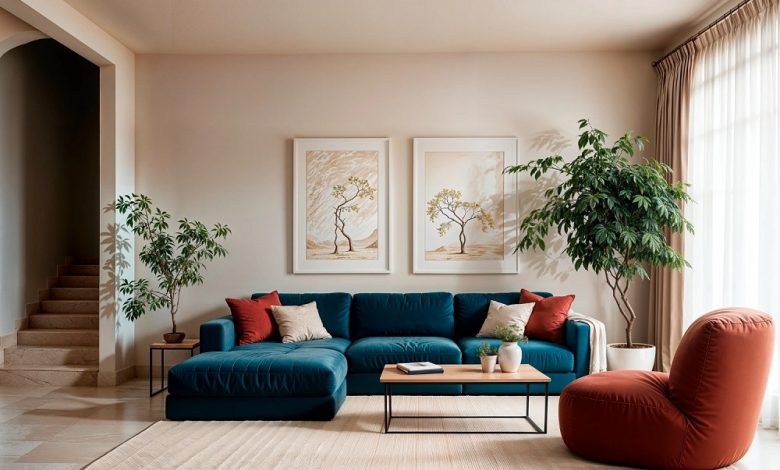
The living area is the undisputed heart of any home. It is the communal space where families gather to unwind after a long day, where friends congregate for conversation, and where individuals seek solitary comfort with a good book or film. Because this room serves such a diverse array of purposes, its design must balance aesthetic appeal with deep, functional comfort.
At the center of this balance is your furniture selection. Choosing the right pieces for your living area is not simply a matter of picking items that look appealing in a showroom or an online catalog. It requires a thoughtful understanding of spatial scale, human ergonomics, lifestyle demands, and structural durability. When carefully planned, your choice of furniture can transform a sterile, underutilized room into a warm, inviting sanctuary that actively promotes relaxation and well-being.
Assess the Architecture and Spatial Layout First
Before browsing fabrics or testing cushions, you must develop a comprehensive understanding of the physical environment your furniture will inhabit. Rushing into purchases without analyzing your room’s specific dimensions and architectural features frequently results in a layout that feels cramped, disjointed, or uncomfortable.
Master the Rules of Scale and Proportion
Furniture must always correspond to the scale of the room. A massive, deep-seated sectional sofa will overwhelm a compact apartment living room, choking off natural foot traffic and making the walls feel as though they are closing in. Conversely, a delicate, low-profile loveseat will look completely lost in a sprawling, open-concept living space with vaulted ceilings. Measure the total square footage, the height of the ceilings, and the width of all doorways and stairwells through which the furniture must pass during delivery.
Map Out Clear Traffic Patterns
Comfort is deeply influenced by how easily people can move through a space. A well-designed living area should allow individuals to walk from one entrance to another without weaving around poorly placed tables or squeezing past protruding chair legs.
-
Coffee Table Clearance: Maintain roughly fifteen to eighteen inches of space between the edge of your sofa and your coffee table to allow for comfortable legroom while keeping drinks within easy reach.
-
Major Walkways: Keep main pathways at least thirty to thirty-six inches wide to ensure unhindered movement throughout the room.
-
Doorway and Window Clearances: Avoid blocking doorways, registers, or low-set windows with tall furniture backs, which can disrupt both the physical flow and the visual openness of the space.
Prioritize Ergonomics and Core Structural Quality
True comfort is more than skin deep. A sofa might feel incredibly soft during a thirty-second sit test in a retail store, but if it lacks proper internal support, it will quickly cause physical discomfort and degrade structurally within a few years.
Understand High-Quality Frame Construction
The longevity and structural integrity of seating depend entirely on the hidden frame beneath the fabric. Look for furniture built with kiln-dried hardwoods, such as oak, maple, or birch. The kiln-drying process removes moisture from the wood, preventing it from warping, cracking, or bowing over time. Avoid frames held together solely by glue, staples, or plastic corners; instead, seek out pieces featuring double-doweled joints, corner blocks screwed into place, and metal reinforcing brackets.
Evaluate Cushion Fillings and Support Systems
The internal support system dictates how a piece of furniture holds its shape and supports your body weight. The gold standard for comfortable, long-lasting seating is an eight-way hand-tied spring system, where steel coils are manually interwoven and secured in multiple directions. For cushion fillings, high-density polyurethane foam wrapped in a soft layer of down or synthetic polyester batting offers the ideal balance of initial softness and resilient, firm support. Pure down cushions are incredibly luxurious but require constant fluffing and lack structural bounce, while cheap, low-density foam will sag permanently within a matter of months.
Choose Fabrics Based on Real Lifestyle Demands
The most beautiful sofa in the world ceases to be comfortable if you are constantly terrified of staining it. Your choice of upholstery fabric should align directly with who uses the living space on a daily basis.
High-Performance Fabrics for High-Traffic Homes
If you share your home with young children, active pets, or frequently host large gatherings, traditional fabrics like delicate silk, linen, or standard velvet can be a liability. Instead, opt for modern performance fabrics woven from synthetic fibers like polyester, nylon, or acrylic. These materials are often treated at the molecular level to resist liquid spills, repel stains, and withstand intense friction without pilling or tearing. Many performance fabrics can be cleaned easily using a simple solution of mild soap and water.
The Durability and Aging of Natural Leather
An alternative option for premium comfort is genuine, top-grain leather. While the initial investment is higher than fabric upholstery, leather is exceptionally durable and possesses natural hypoallergenic qualities, as it does not trap dust mites, pet dander, or pollen. Leather also adapts quickly to body temperature, providing a cool surface in the summer and a warm embrace in the winter. Unlike fabric, which can look worn and tired over time, high-quality leather develops a beautiful patina that enhances its character as it ages.
Balance Seating Variety to Accomplement Group Dynamics
A truly comfortable living room accommodates various styles of relaxation. Some people prefer to sit upright during a conversation, while others want to stretch out fully or curl up with their legs tucked underneath them.
Combine Fixed Sofas with Flexible Accent Chairs
While a large sectional sofa is excellent for movie nights, it can make face-to-face conversation awkward because everyone is seated in a straight line. To create an intimate, conversational atmosphere, pair a primary sofa with a couple of independent accent chairs placed at a slight angle.
-
Swivel Chairs: These are highly functional additions to open-concept spaces, allowing a guest to turn toward the television or rotate around to face the kitchen island.
-
Recliners and Chaises: Modern recliners offer excellent lumbar support and full-body relaxation without the bulky, oversized aesthetic of past generations.
Integrate Multi-Functional Accent Pieces
Comfort can be significantly enhanced by supporting elements like ottomans, side tables, and media consoles. A large, plush ottoman can serve as a footrest, an extra seating option during parties, or a coffee table when topped with a stable wooden tray. Ensure that every seat in your living room has easy access to at least one flat surface where a person can set down a beverage, a pair of eyeglasses, or a remote control without needing to stretch or stand up.
Frequently Asked Questions
How do I choose the correct height for a living room television console?
To maintain optimal neck comfort and prevent eye strain, the center of your television screen should align directly with your eye level when you are sitting down on your sofa. For most standard seating arrangements, this means the top surface of your television console should stand between twenty-two and twenty-eight inches above the floor. If your television is mounted on the wall, the supporting console underneath should still remain low enough to anchor the screen visually without creating a cluttered viewing angle.
What is the ideal coffee table height relative to the surrounding sofas?
For maximum physical comfort and ease of use, your coffee table should match the seat height of your surrounding sofa and chairs, or sit approximately one to two inches lower. Most standard sofa seats rest between seventeen and eighteen inches off the ground, meaning a comfortable coffee table should measure around sixteen to eighteen inches in height. Choosing a table that is significantly taller or shorter makes reaching for items awkward and disrupts the visual horizon of the room.
How can I tell if a sofa frame is well-made without tearing open the fabric?
You can perform a few simple physical diagnostic tests right in the showroom. First, lift one front corner of the sofa approximately six inches off the ground; if the opposite front leg remains resting firmly on the floor or the frame twists, the internal structure lacks proper stabilization. Next, press firmly against the back frame and the outside arms; you should feel solid wood rather than hollow space or sharp framework edges. Finally, sit down abruptly on the cushion; any squeaking, creaking, or metallic rattling indicates loose springs or poorly joined frame components.
Are sectional sofas a good choice for smaller, narrow living areas?
Sectional sofas can actually be highly effective in small living spaces, provided you select a model specifically scaled for compact rooms. A streamlined, L-shaped sectional placed tightly into a corner can maximize seating capacity and eliminate the dead corner space that occurs when pairing a traditional sofa with a standalone armchair. However, you must avoid sectionals with deep, oversized arms and massive wedge corners, which consume excessive floor space without adding usable seating area.
How do I choose an area rug size that enhances the comfort of my seating arrangement?
The most common mistake in living room design is choosing a rug that is too small, which makes the entire room feel disjointed. For a truly cohesive and comfortable look, choose a rug large enough so that at least the front two legs of all major seating pieces rest firmly on top of it. In a spacious room, an even better approach is to select an oversized rug that accommodates all four legs of every furniture piece, creating a unified conversational zone.
What furniture pieces are best for creating storage without sacrificing physical comfort?
To maintain an uncluttered environment that fosters mental relaxation, look for dual-purpose storage furniture. Storage benches, lift-top coffee tables, and media units with closed cabinetry allow you to stow away blankets, board games, and electronic accessories completely out of sight. Credenzas and tall bookcases utilize vertical wall space for storage and display, keeping the main floor clear and open for comfortable movement.
How does the depth of a sofa seat affect different body types?
Sofa seat depth is critical for personalized ergonomics. A standard seat depth of twenty to twenty-two inches is ideal for individuals of average height, allowing them to sit back comfortably with their feet flat on the floor and the cushion edge resting gently behind their knees. Taller individuals or those who prefer to lounge horizontally typically find deeper seats measuring twenty-three to twenty-five inches more comfortable. Shorter individuals, however, may find deep sofas cause lower back discomfort because their legs cannot reach the floor, a issue that can be remedied by adding firm accent pillows.