Appliances in Anaheim and the Wider Southern California Region: A Guide to Informed Selection
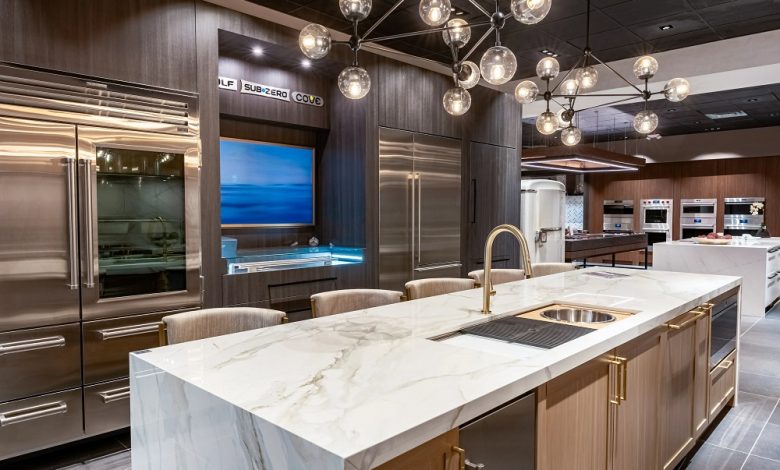
The moment an essential appliance falters is often a quiet disruption. It starts with a dishwasher that leaves dishes perpetually spotted or a refrigerator that hums with an unfamiliar, strained rhythm. For many residents, this moment serves as a signal that it is time to evaluate the state of their home equipment. Navigating the process of selecting and maintaining appliances in Southern California and across the broader community can feel daunting, yet a thoughtful approach typically makes the experience far more manageable.
Why Selection Challenges Often Arise
Choosing the right equipment for a household is rarely as simple as picking a model based on appearance. The challenges often stem from the gap between personal expectations and the practical realities of modern appliance engineering. Manufacturers offer a vast array of features, from advanced digital interfaces to specialized modes, which can make it difficult to distinguish between genuine utility and unnecessary complexity.
Homeowners frequently struggle to identify which features will provide long-term value. A machine packed with digital sensors may offer precision, but it also introduces more components that might eventually require attention. Balancing the desire for modern convenience with a preference for durable, reliable function is a common hurdle. Furthermore, the physical constraints of a home—such as space limitations, electrical capacity, and venting requirements—often dictate the parameters of a successful installation, yet these details are easily overlooked until the delivery day.
How the Modern Appliance Lifecycle Generally Works
Understanding the lifecycle of home equipment can help residents feel more confident in their purchasing decisions. Most appliances are designed to perform reliably through a period of regular use, provided they are maintained within the specifications intended by their design. This process typically begins with accurate installation. Proper leveling, correct voltage connections, and clear airflow paths are the foundational elements that prevent premature wear on motors and internal cooling systems.
Once installed, regular maintenance serves as the primary mechanism for extending the life of these systems. This involves routine tasks such as cleaning intake vents, clearing debris from filters, and ensuring that seals around doors remain tight. Over time, components such as heating elements or drive belts may experience natural wear. When this occurs, it is generally beneficial to assess whether the repair is likely to restore the appliance to its original performance level or if the age of the machine makes replacement a more sensible financial and functional choice.
Key Factors That Shape Long-Term Outcomes
Several elements influence how well a machine performs in a typical household environment. Regional factors play a notable role, particularly regarding water quality. In many parts of Southern California, water supply often carries a higher mineral content. These minerals can accumulate inside dishwashers, washing machines, and water heaters, potentially hindering efficiency or causing mechanical strain over time. Being aware of this, homeowners often look for equipment that includes features to manage mineral buildup or consider additional filtration solutions to protect their appliances.
Energy efficiency and usage patterns are equally critical. A machine that is perfectly sized for a smaller household might struggle under the heavy, daily demands of a larger family, leading to shortened lifespans for critical parts. Likewise, the environment where the appliance is placed—such as an uninsulated garage or a tight, poorly ventilated laundry closet—can affect cooling performance and electrical demand. By aligning the machine’s capacity with the household’s specific habits, residents can often secure a more balanced and durable outcome.
Practical Ways to Approach Appliance Care and Upgrades
Approaching appliance needs with a sense of strategy can prevent unnecessary stress. When considering a new purchase, it is helpful to start with a clear assessment of what the household actually requires. Instead of focusing solely on the newest trends, consider how the appliance will be used on a daily basis. Ask questions about the availability of replacement parts, the manufacturer’s approach to servicing, and how much of the maintenance can be performed by the homeowner versus a professional.
When interacting with service providers regarding appliances in Anaheim, transparency is a valuable tool. A knowledgeable provider will typically ask about the specific symptoms of a concern, the frequency of use, and any recent changes in the home environment. They should be willing to explain the logic behind their recommendations, whether they are suggesting a repair or a full replacement. If a repair is proposed, ask for an explanation of what failed and how the solution addresses that specific cause, rather than just the visible symptom.
Establishing a relationship with reliable local resources can be particularly beneficial. Having a trusted contact for professional maintenance allows homeowners to address small issues before they evolve into significant malfunctions. Whether it is a routine inspection of a clothes dryer’s venting system or a professional cleaning for a refrigerator’s condenser coils, proactive attention typically leads to greater peace of mind.
Ultimately, managing your household equipment is a continuous process of observation and informed decision-making. By prioritizing functional needs, paying attention to the specific environmental factors within your home, and maintaining open communication with those who service your equipment, you can foster an environment where your appliances support, rather than complicate, your daily life. Taking a measured approach to the care and selection of appliances in Anaheim and the surrounding areas ensures that your home remains both comfortable and efficient for the long term.