How to Compare New Residential Projects When Buying a 2 BHK in Dombivli
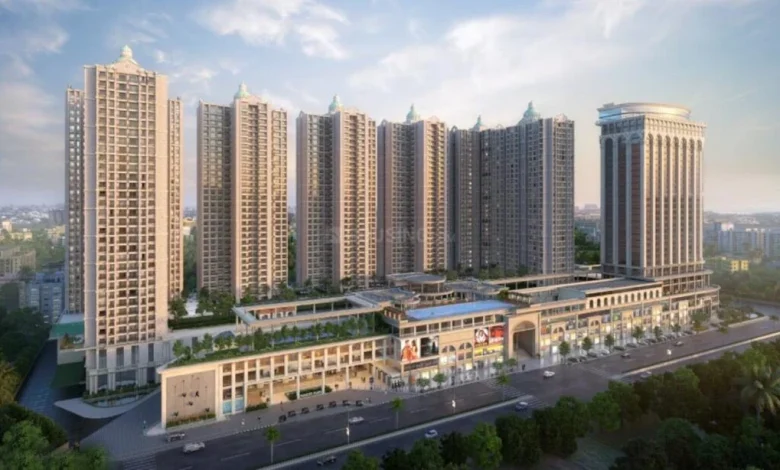
Buying a home is an important milestone that brings comfort, security, and long-term value. However, choosing the right property requires careful planning and research. With several residential developments offering modern apartments and lifestyle amenities, homebuyers should compare different options before making a decision. Understanding the location, pricing, construction quality, and available facilities can help you select a home that suits your family’s needs and budget.
When searching for a 2 bhk in dombivli, it is important to look beyond the advertised price and attractive photographs. Every residential project offers different advantages, from convenient connectivity to spacious layouts and community facilities. Comparing these factors can help you make an informed decision and find a home that supports your lifestyle today while meeting your needs in the future.
1. Evaluate the Location and Connectivity
Location plays a major role in determining the convenience and future value of a residential property. Before selecting a project, check how easily you can travel to your workplace, schools, hospitals, shopping centres, and other essential places.
Dombivli attracts homebuyers because it offers residential options for different budgets and family requirements. However, connectivity and convenience can vary between neighbourhoods. Consider the distance to railway stations, major roads, public transport facilities, and everyday services.
Visit the location during peak hours to understand traffic conditions and travel times. A project with convenient access to transport and essential facilities can make daily life easier and may also remain attractive to future buyers.
2. Compare Apartment Layouts and Carpet Areas
Two apartments advertised as 2 BHK homes may offer different levels of comfort. Therefore, comparing the carpet area and floor plan is essential before making a choice.
Check whether the bedrooms can accommodate your furniture comfortably, whether the living room provides enough space for family activities, and whether the kitchen has a practical layout. Also, consider ventilation, natural lighting, balcony space, and the placement of bathrooms.
A well-planned apartment can feel more spacious even when its carpet area is smaller. Review the actual floor plans of different projects instead of relying only on sample apartment photographs. Choose a layout that supports your daily routine and offers enough room for your family’s changing needs.
3. Understand the Total Cost of Buying
The advertised price is not always the final amount you will pay. While comparing residential projects, calculate the complete cost of purchasing the apartment.
Consider expenses such as registration charges, stamp duty, applicable taxes, parking charges, maintenance deposits, and other fees, wherever applicable. Ask for a detailed cost breakdown from the developer so you can compare the actual financial commitment.
You should also evaluate your home loan eligibility, expected monthly EMI, and down payment requirements. Avoid stretching your budget simply to access additional amenities. A property that fits comfortably within your financial plan can provide greater peace of mind over the long term.
4. Check Construction Quality and Project Status
Construction quality directly affects the durability, safety, and maintenance requirements of your home. When comparing projects, examine the quality of visible finishes, fittings, common areas, lifts, and other shared facilities.
If possible, visit a completed property developed by the same builder to understand the quality of construction and maintenance. For an ongoing project, ask about the construction schedule, expected possession date, and progress.
It is also important to verify the project’s registration and details on the applicable state real estate regulatory authority’s website. Review the approved plans, possession commitments, and relevant legal documents before paying a booking amount. These checks help you make a more confident purchasing decision.
5. Compare Amenities That Improve Everyday Living
Modern residential projects may offer landscaped gardens, children’s play areas, fitness centres, walking paths, multipurpose halls, and security systems. While these facilities can improve the living experience, their practical value depends on your family’s preferences.
For example, families with children may prioritise safe play areas, while working professionals may prefer fitness facilities and comfortable common spaces. Senior citizens may value walking areas, seating spaces, and convenient access to lifts.
Compare the amenities included in each project and check whether they are completed, planned, or subject to additional charges. Also, consider the ongoing maintenance costs associated with these facilities.
6. Research the Developer’s Reputation
The developer’s track record can provide useful insights into project delivery, construction quality, and customer service. Research previous residential developments and look for information about possession timelines, building maintenance, and the handling of customer concerns.
Speak with existing residents whenever possible to understand their experiences. Read reviews carefully, looking for recurring patterns rather than relying on a single positive or negative comment.
A transparent developer who provides clear information about pricing, project approvals, construction progress, and possession terms can make the buying process more straightforward.
7. Consider Future Growth and Resale Potential
A home should meet your present requirements while remaining suitable for the future. Before choosing a project, consider the area’s infrastructure development, employment opportunities, transport improvements, and demand for residential properties.
A conveniently located apartment with a practical layout and access to essential services may appeal to future buyers and tenants. However, property appreciation is never guaranteed, so avoid making a purchase based only on expected price increases.
Compare the long-term advantages of each project and prioritise factors that contribute to comfortable living and sustainable ownership costs.
Conclusion
Choosing the right residential project requires more than comparing prices and amenities. Location, apartment layout, construction quality, legal approvals, developer reputation, and long-term affordability all deserve careful attention. By evaluating these factors systematically, you can reduce uncertainty and make a well-informed investment.
When planning to purchase a 2 bhk in dombivli, shortlist projects that match your budget, lifestyle, and future requirements. Visit the properties, compare their complete costs, verify the necessary documents, and review the available facilities before making your final decision. A thoughtful approach can help you find a comfortable home that offers convenience, value, and lasting satisfaction for your family.